The evolution of gambling A journey through history
Ancient Beginnings
The roots of gambling can be traced back to ancient civilizations, where various forms of chance-based activities emerged as part of social and cultural practices. Archaeological evidence suggests that dice, one of the oldest gaming tools, appeared in Mesopotamia around 3000 BCE. These early dice games paved the way for more complex gambling activities as societies evolved, with engaging options now available on platforms like icefishing-game.nz.

In ancient China, around 2000 BCE, gambling on games of chance such as Keno became popular. These early forms of gambling not only provided entertainment but also played a role in social bonding and even religious practices, as they were often associated with divination and decision-making.
The Rise of Formal Gambling
As civilizations advanced, so did the structure of gambling. The Romans were known for their love of betting on gladiatorial games and chariot races. With elaborate public games, they established a culture where stakes were high, and the thrill of winning or losing was deeply ingrained in society. This period marked the transition from informal play to more organized betting.
The Middle Ages saw the establishment of lotteries in Europe, providing a new avenue for gambling. Governments began to regulate these activities, using the proceeds for public projects, thus blending entertainment with civic duty. The concept of formal gambling was starting to take shape, setting the stage for future developments.
The Birth of Casinos
The 17th century heralded the emergence of the first modern casinos, with the establishment of the Ridotto in Venice in 1638. This gaming house was the first to offer a regulated environment for gambling, introducing rules and a structured atmosphere that attracted the wealthy elite. It was an exciting time that laid the groundwork for casinos as we know them today.
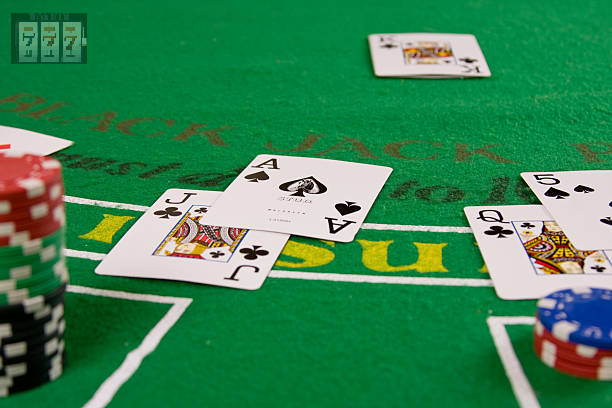
By the 19th century, gambling establishments proliferated across Europe and the United States. The iconic image of the casino became synonymous with luxury and entertainment, drawing in players from all walks of life. The introduction of games like poker and blackjack added to the excitement and complexity of the gambling landscape.
The Digital Transformation
The late 20th century witnessed a significant shift with the advent of the internet, revolutionizing the gambling industry. Online casinos began to emerge in the 1990s, offering players the ability to gamble from the comfort of their own homes. This digital shift expanded the reach of gambling, allowing for a more diverse audience to participate in various games.
Moreover, advancements in technology led to the development of live dealer games, combining the thrill of traditional casinos with the convenience of online play. Players could interact with real dealers in real-time, enhancing the gaming experience. The rise of mobile gaming further propelled the industry, making gambling accessible anywhere, anytime.
Future Trends in Gambling
As we look to the future, the gambling industry continues to evolve with emerging technologies such as virtual reality and blockchain. These innovations promise to create more immersive experiences and enhance security for online transactions, making gambling safer and more engaging.
Additionally, the increasing acceptance of sports betting and the expansion of legalized gambling in various regions highlight the industry’s ongoing transformation. As societal attitudes shift, the landscape of gambling will continue to adapt, ensuring its relevance in the modern world.